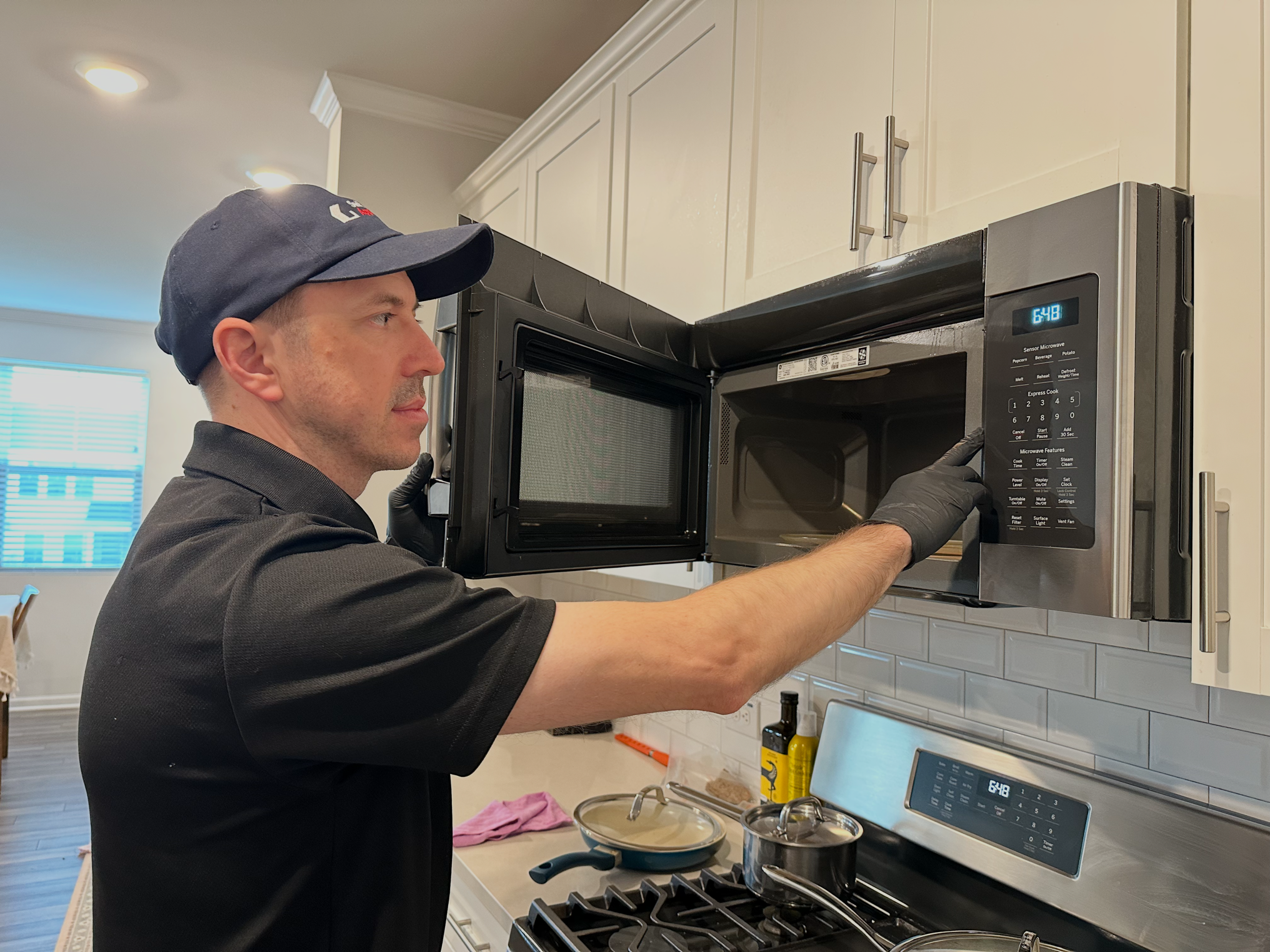
Microwave Not HeatingYour microwave is running — the light comes on, the turntable spins, the fan hums — but the food comes out stone cold. Before assuming the worst, many microwave not heating problems are caused by something as simple as a wrong setting or a loose door latch, not a failed part. This guide walks you through what to check, what the symptoms usually mean, and — critically — where to stop, because microwaves are genuinely dangerous to open without proper training.
Important safety note: Unlike most home appliances, a microwave contains a high-voltage capacitor that can hold a lethal electrical charge even after the unit is unplugged. Do not open the cabinet or touch internal components under any circumstances. Homeowner checks stop at the plug, the settings, and the door latch.
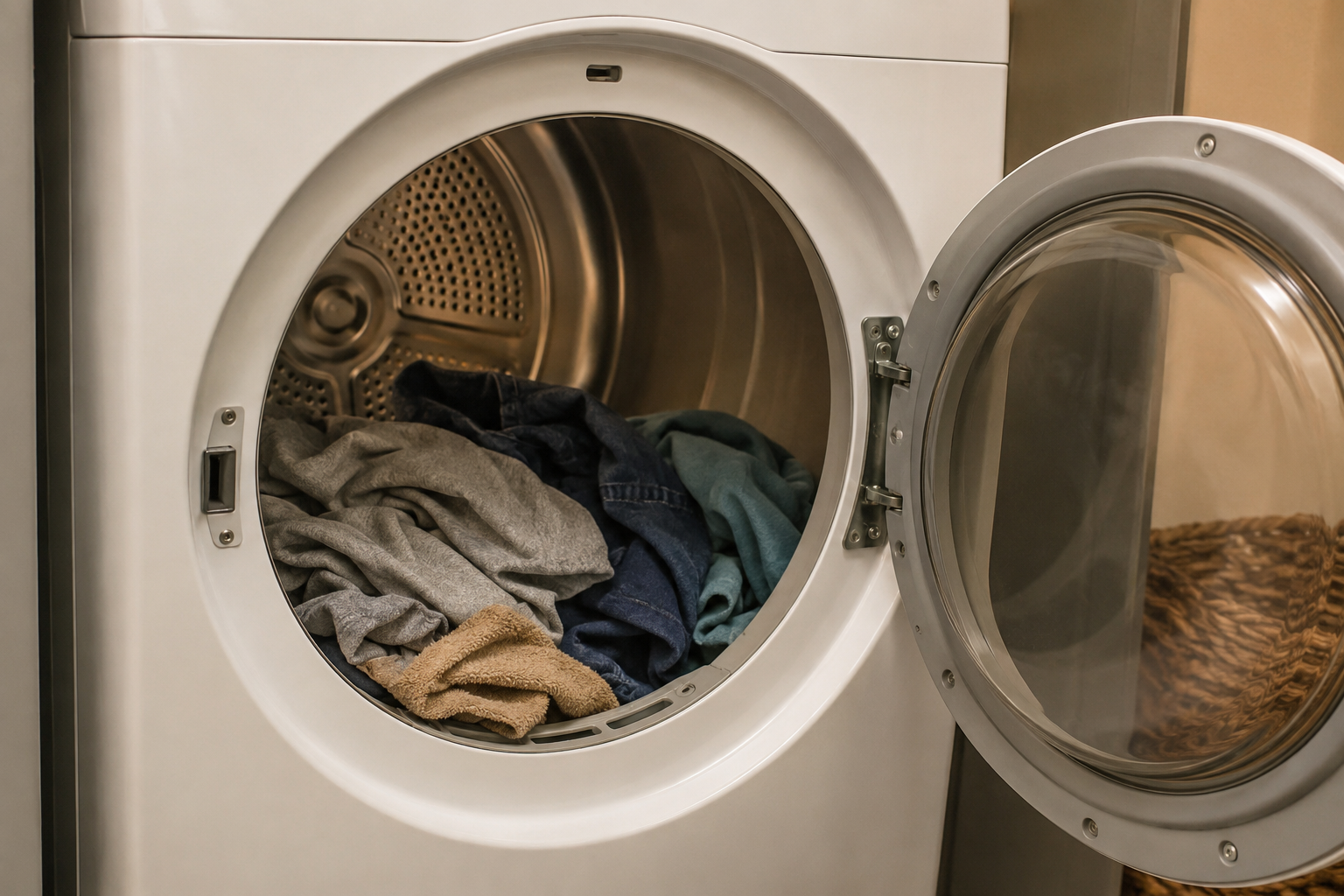
Dryer Not HeatingWhen a dryer stops producing heat, it almost always comes down to just a few common issues. The most frequent culprit is poor airflow. A clogged lint screen or a blocked vent prevents hot air from moving through the drum, so the dryer’s safety systems shut off the heat to prevent a fire. The next thing to check is the power or gas supply. Electric dryers need a full 240 - volt circuit; if one side of the breaker trips, the drum will turn but there will be no heat. Gas dryers won’t heat if the gas valve is closed or the supply line is off.
Another common cause is a blown thermal fuse. This one‑time fuse protects the dryer from overheating; if it blows, the dryer will tumble but stay cold. Electric models also rely on a heating element, which can burn out over time. Gas models depend on an igniter and gas valve solenoids to light the burner; if the igniter or solenoids fail, the flame won’t light and there will be no heat. Less common, but still possible, is a faulty thermostat or control that mistakenly shuts off heat even when it’s needed.
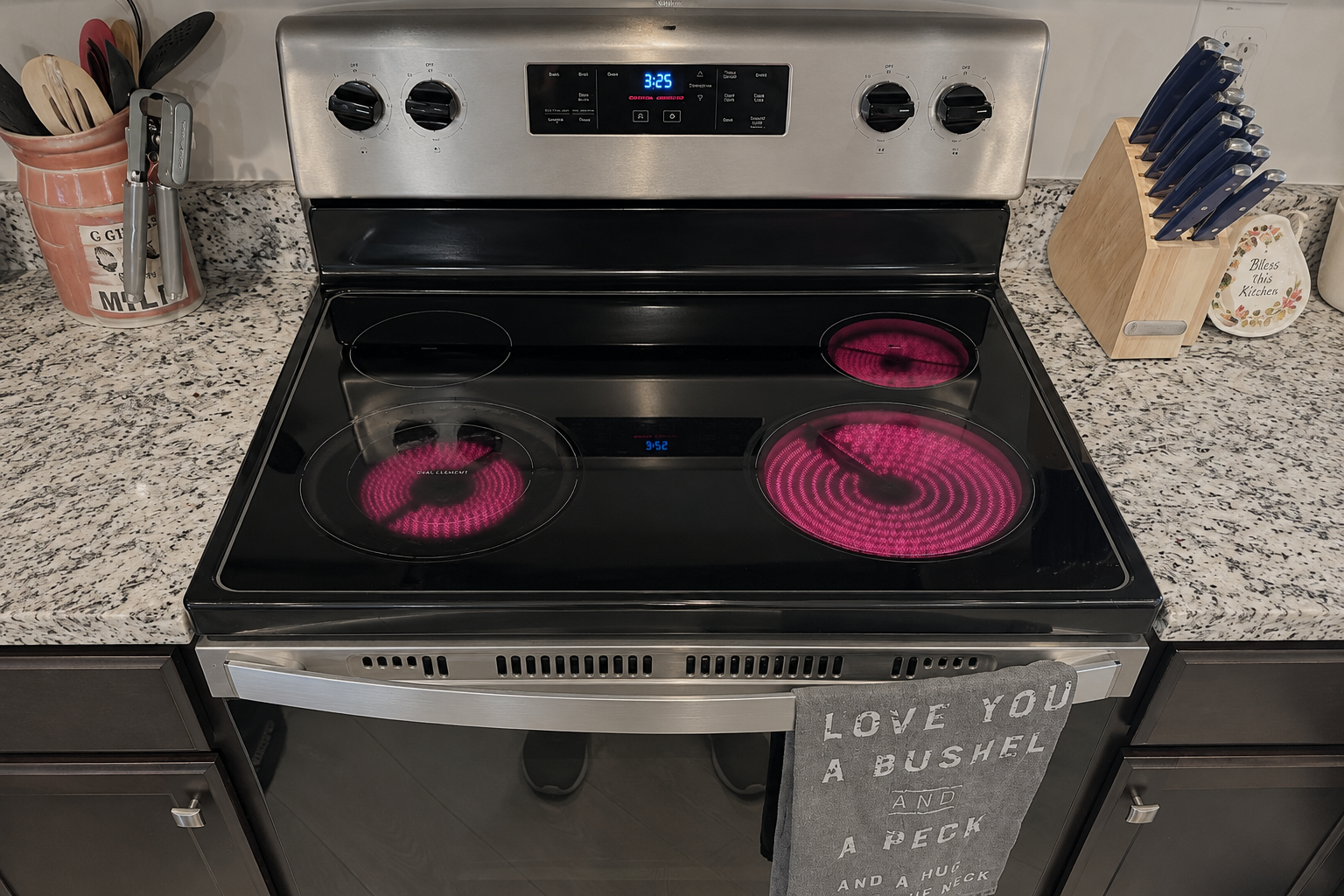
Electric Stove Burner Not HeatingWhen an electric stove burner stops heating, the problem is usually in one of a few places: the burner coil, the burner socket, the infinite switch, or the power supply. If only one burner is not working, the issue is usually local to that burner. If all burners are cold, the stove may not be getting proper power.
On coil-top electric stoves, the first thing to check is whether the burner is seated firmly in the socket. A loose coil can stop heating even if nothing is actually broken. If the coil is cracked, blistered, burned, or only heats in one section, the heating element itself may have failed.
If the burner works in another socket but not in the original spot, the problem is likely the receptacle, wiring, or control switch. That is where DIY should stop. Electric stoves use high voltage, and repairs behind the cooktop or control panel should be handled by a technician.


 Pierce County, WA