clock
Mon-Fri 8:00am-6:00pm
locationPierce County, WA

Appliance Repair Blog – Expert Tips & Troubleshooting Guides

Explore our appliance repair blog for expert advice on common household appliance problems. Stay updated with practical troubleshooting guides for refrigerators, washers, dryers, dishwashers, ovens, ranges, microwaves, and more.
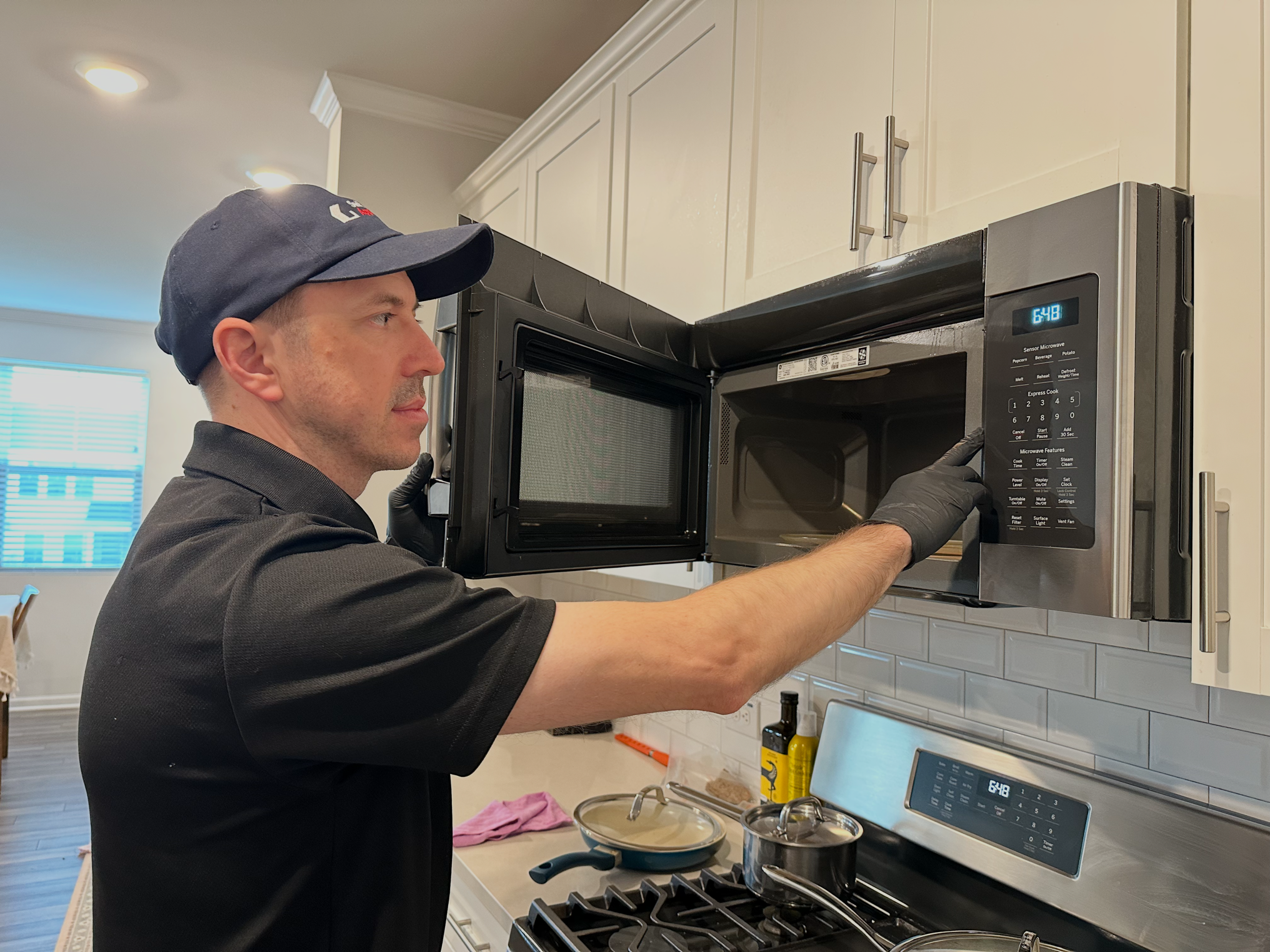
Microwave Not Heating
Microwave Not Heating Your microwave is running — the light comes on, the turntable spins, the fan hums — but the food comes out stone cold. Before assuming the worst, many microwave not heating problems are caused by something as simple as a wrong setting or a loose door latch, not a failed part. This guide walks you through what to check, what the symptoms usually mean, and — critically — where to stop, because microwaves are genuinely dangerous to open without proper training. Important safety note: Unlike most home appliances, a microwave contains a high-voltage capacitor that can hold a lethal electrical charge even after the unit is unplugged. Do not open the cabinet or touch internal components under any circumstances. Homeowner checks stop at the plug, the settings, and the door latch.
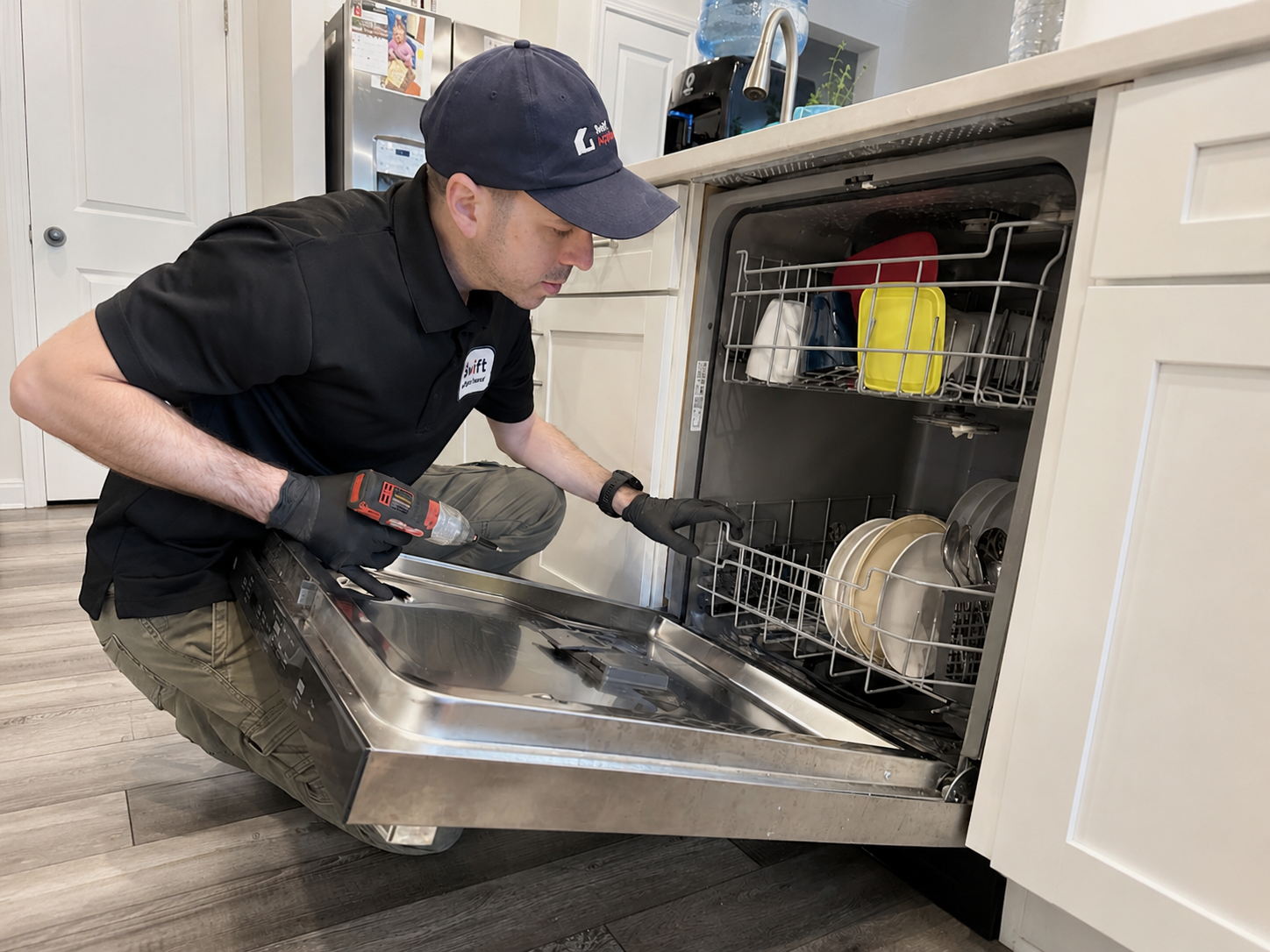
Dishwasher Not Draining
Dishwasher Not Draining You open the dishwasher after the cycle and find standing water covering the bottom of the tub. Before you call anyone, the good news is that most dishwasher draining problems are caused by something simple you can fix yourself in under 15 minutes. This guide covers the most common reasons a dishwasher won't drain, the safe checks homeowners can do right now, and the signs that it's time to call a professional appliance technician. If you'd rather skip the troubleshooting, our dishwasher repair service is available for fast, same-day diagnosis. One thing to skip: do not pour Drano or any chemical drain cleaner into the dishwasher. It will damage the rubber seals and hoses and make the problem worse.
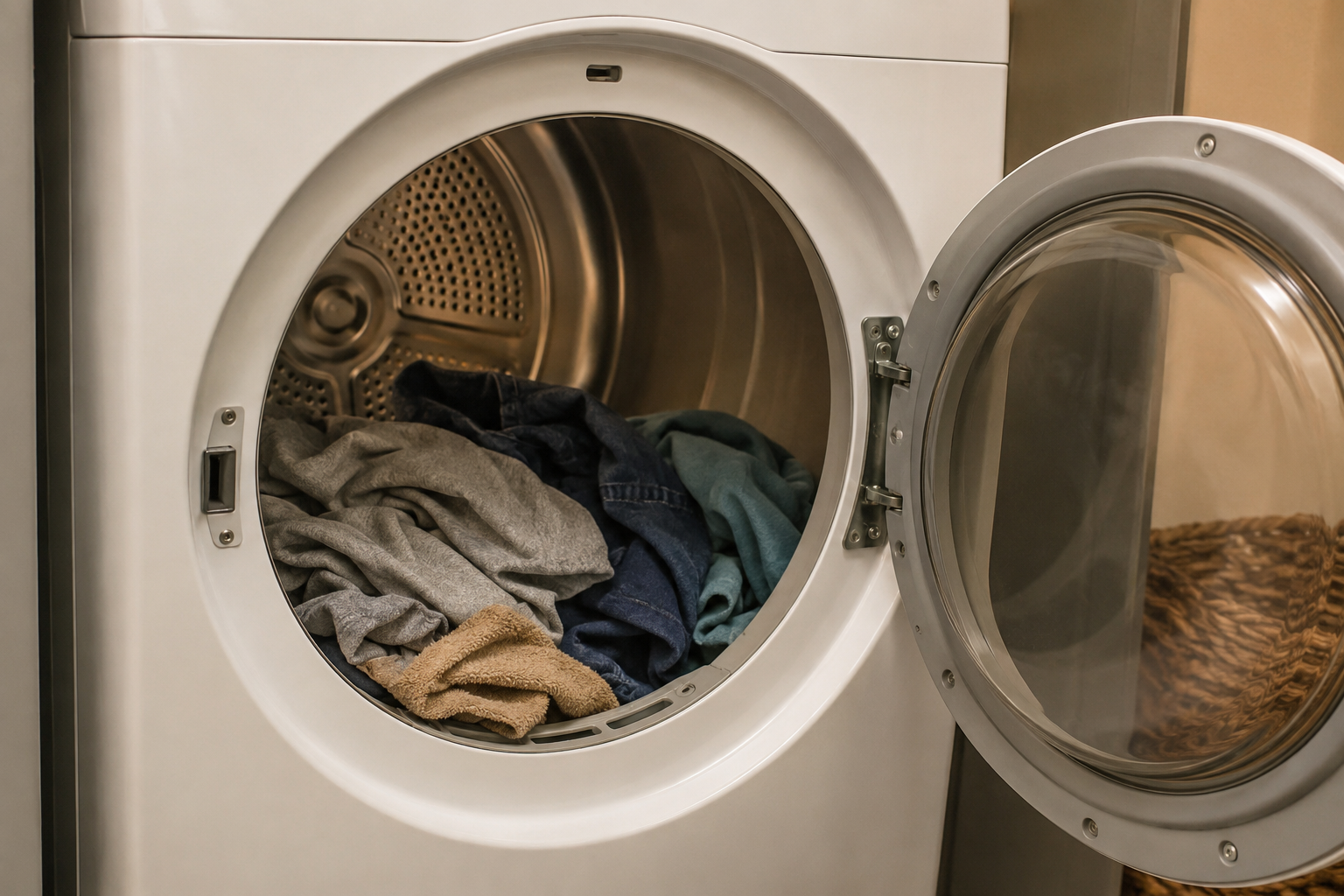
Dryer Not Heating
Dryer Not Heating When a dryer stops producing heat, it almost always comes down to just a few common issues. The most frequent culprit is poor airflow. A clogged lint screen or a blocked vent prevents hot air from moving through the drum, so the dryer’s safety systems shut off the heat to prevent a fire. The next thing to check is the power or gas supply. Electric dryers need a full 240 - volt circuit; if one side of the breaker trips, the drum will turn but there will be no heat. Gas dryers won’t heat if the gas valve is closed or the supply line is off. Another common cause is a blown thermal fuse. This one‑time fuse protects the dryer from overheating; if it blows, the dryer will tumble but stay cold. Electric models also rely on a heating element, which can burn out over time. Gas models depend on an igniter and gas valve solenoids to light the burner; if the igniter or solenoids fail, the flame won’t light and there will be no heat. Less common, but still possible, is a faulty thermostat or control that mistakenly shuts off heat even when it’s needed.
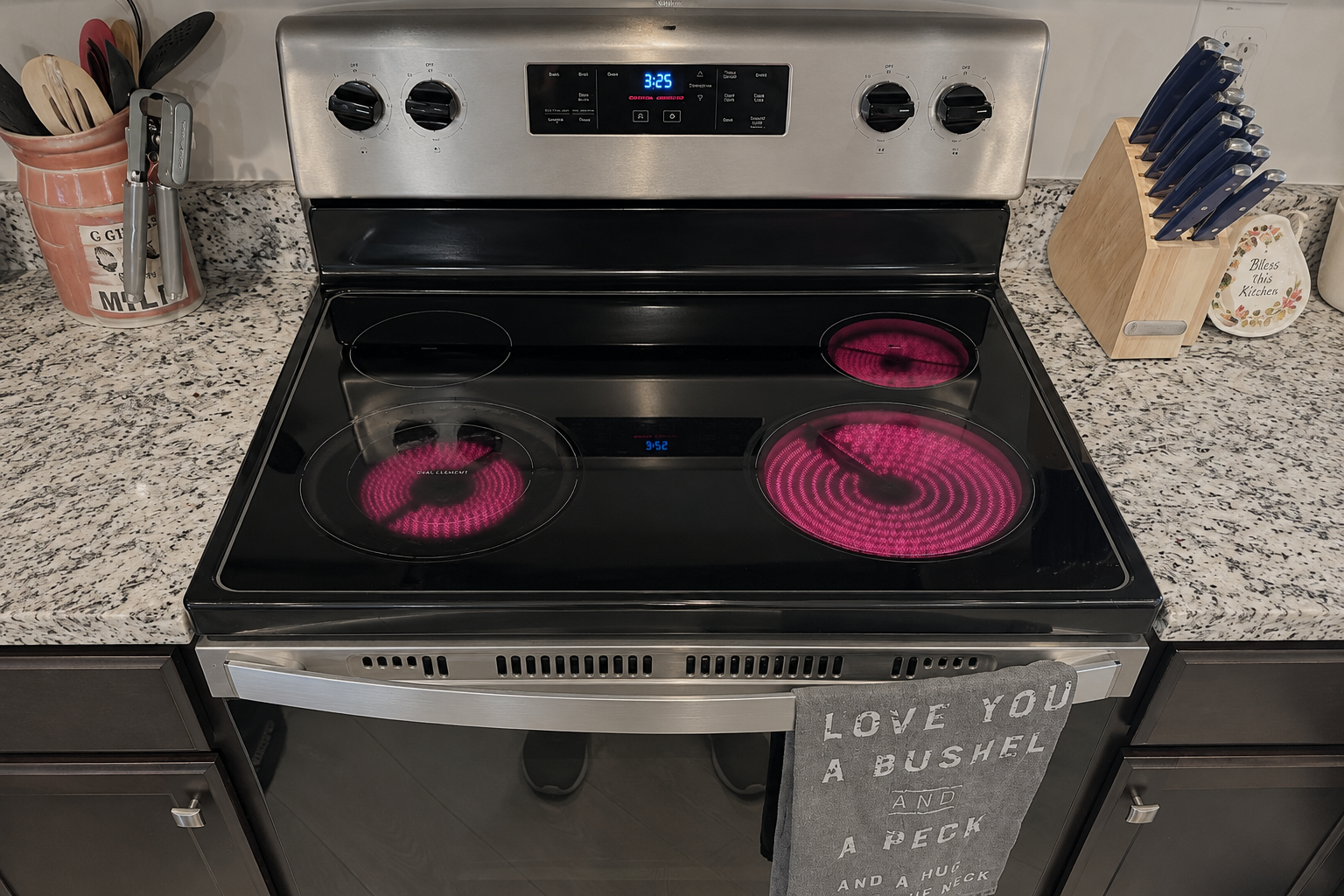
Electric Stove Burner Not Heating
Electric Stove Burner Not Heating When an electric stove burner stops heating, the problem is usually in one of a few places: the burner coil, the burner socket, the infinite switch, or the power supply. If only one burner is not working, the issue is usually local to that burner. If all burners are cold, the stove may not be getting proper power. On coil-top electric stoves, the first thing to check is whether the burner is seated firmly in the socket. A loose coil can stop heating even if nothing is actually broken. If the coil is cracked, blistered, burned, or only heats in one section, the heating element itself may have failed. If the burner works in another socket but not in the original spot, the problem is likely the receptacle, wiring, or control switch. That is where DIY should stop. Electric stoves use high voltage, and repairs behind the cooktop or control panel should be handled by a technician.
Washing Machine Not Spinning
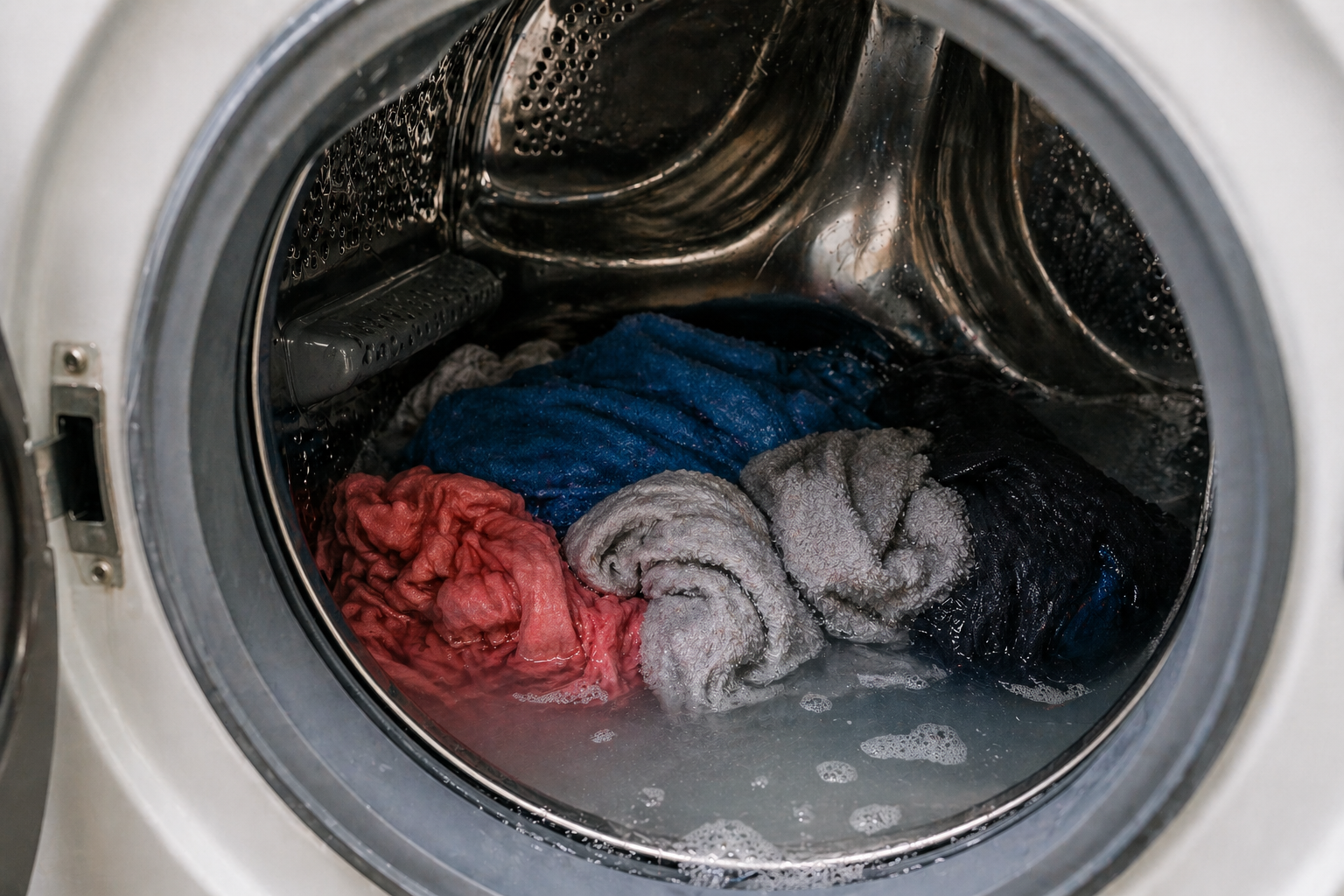
Washing Machine Not Spinning When a washing machine refuses to spin, the problem is often simpler than it looks. The vast majority of spin failures are caused by an unbalanced or overloaded load that trips the machine’s safety sensors. Modern washers monitor drum vibration and will refuse to spin if the weight is uneven. Redistributing the clothes and restarting the spin cycle solves many cases. Another common culprit is the lid or door switch. Top‑load machines have a small plastic switch that tells the control board the lid is closed. If the switch is broken or misaligned, the washer won’t start its high‑speed spin. Front‑load machines use a door latch that serves the same safety purpose. Less frequently, a clogged drain pump or kinked hose prevents the tub from emptying; if water remains in the tub, the spin cycle is blocked to protect the motor. Finally, mechanical failures such as a worn drive belt, broken motor coupler, or faulty control board stop the drum even though the motor hums. These problems generally require professional service.
Refrigerator Not Cooling
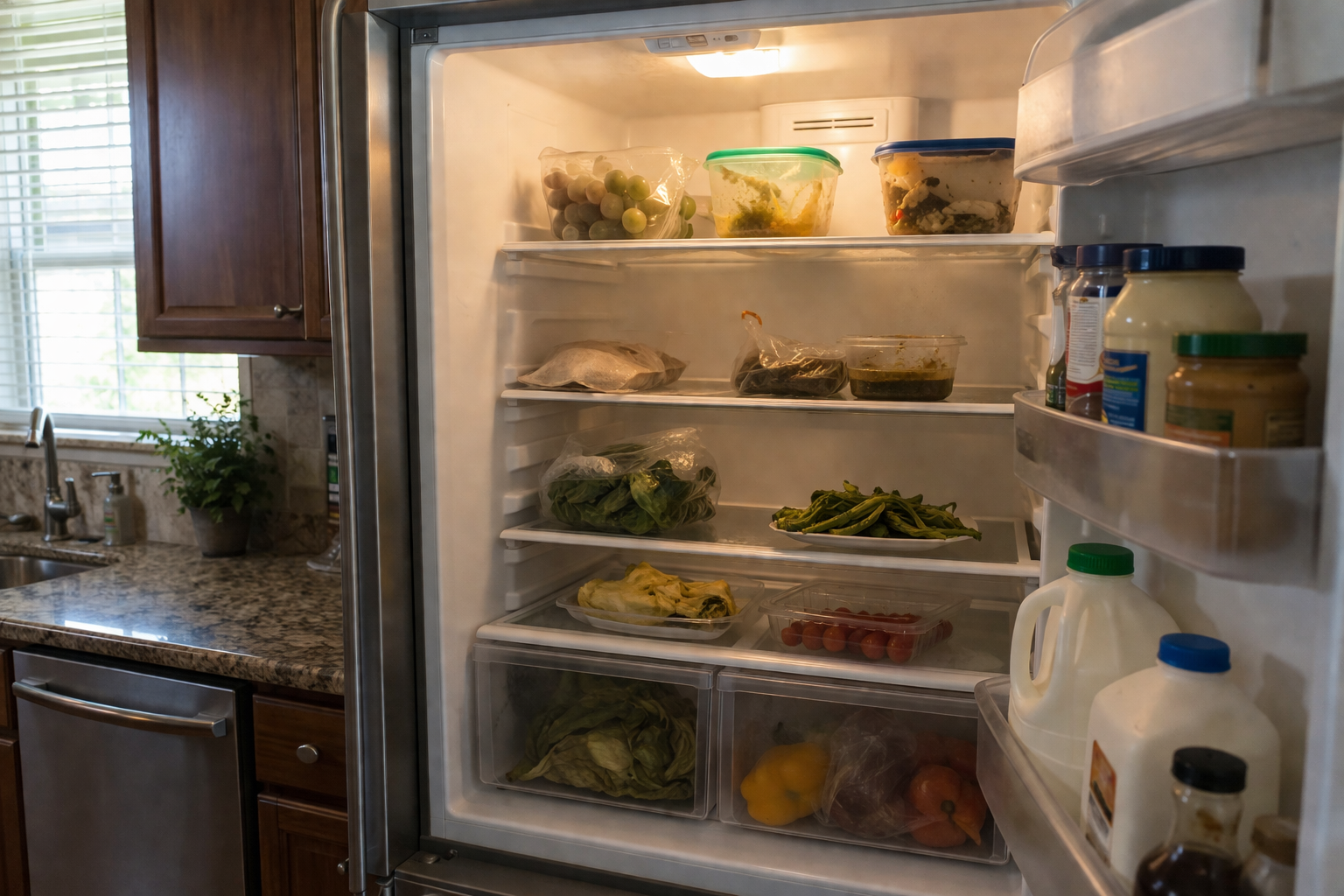
Refrigerator Not Cooling A refrigerator that runs but fails to cool is often suffering from simple issues you can fix yourself. The most common causes are dirty condenser coils, a thermostat accidentally bumped off its setting, blocked air vents or poor door seals. These problems restrict airflow or heat transfer and are easy to check. Begin by setting the temperature control to the recommended 37°F for the refrigerator and 0°F for the freezer and give the appliance 24 hours to stabilize. Then make sure the condenser coils are clean and there’s good clearance behind the unit for ventilation. Check that food isn’t blocking the vents between the freezer and fridge compartments and that the door gaskets form a tight seal. If these steps don’t restore cooling within a day, a failed fan, defrost system, or compressor may be to blame and requires a professional inspection.

Do you want diagnostics?

Get special discounts by booking your appliance repair service directly on our site. It's a smart way to save while fixing your appliances!

Welcome to the blog of West Coast Service Group — your trusted source for practical home appliance repair tips, troubleshooting guides, and professional insights for homeowners across the United States. Here you’ll find regularly updated articles about common appliance problems, maintenance advice, and real-world repair knowledge to help you make better decisions when something stops working.

What You’ll Find in Our Blog

Our technicians work with many types of household appliances, and we know which problems homeowners face most often. That’s why we focus on topics that are useful, easy to understand, and based on real repair experience, including:

  • Frequent refrigerator issues — such as cooling problems, compressor concerns, fan failures, frost buildup, and temperature control issues.
  • Washer and dryer malfunctions, including drainage problems, noisy operation, spinning issues, heating failures, and cycle interruptions.
  • Common dishwasher problems, such as standing water, poor cleaning performance, leaks, clogged filters, and drying issues.
  • Microwave, range, oven, and cooktop troubleshooting — from no-heat problems and error codes to control panel failures and power issues.

Each blog post is written to explain the issue in simple terms, describe the most likely causes, and help you understand what can be checked safely before calling a professional technician.

Helpful Repair Guidance for Homeowners

Appliance problems can be frustrating, especially when you are not sure whether the issue is simple or serious. Our goal is to help you understand what may be happening before you spend money on parts, replacement appliances, or unnecessary repairs.

Some articles cover quick homeowner checks, such as cleaning filters, checking power, inspecting door seals, or clearing blocked vents. Other articles explain when the problem may involve electrical components, control boards, motors, heating elements, sealed system parts, or other repairs that should be handled by a trained technician.

We Cover the Most Popular Appliance Brands

Different appliance brands often have different designs, common failure points, and repair patterns. Our blog includes helpful information related to many major household appliance brands, including Samsung, LG, Whirlpool, GE Appliances, Bosch, Frigidaire, Maytag, KitchenAid, Electrolux, Thermador, Viking, Miele, Sub-Zero, Wolf, and more.

You can also browse our full brand directory here: Appliance Brands We Service.

Whether you own a newer smart appliance or an older reliable unit, our articles are designed to help you better understand the symptoms, possible causes, and next steps.

Fresh Content. Real Experience. Practical Advice.

We regularly update our blog with useful appliance repair content based on real service experience, common homeowner questions, and problems that technicians see in the field. Our focus is not on complicated technical language — it is on clear, practical guidance that helps you understand your appliance issue with confidence.

Whether your refrigerator is not cooling, your dryer is not heating, your washer is not draining, or your oven will not turn on, our blog is built to help you find answers faster and know when professional service is the right next step.

Need Professional Help With an Appliance?

If one of our blog posts helped you understand that your appliance issue may need professional repair, West Coast Service Group is here to help. We provide reliable appliance repair service, use quality replacement parts, and focus on clear communication from diagnosis to completion.

Browse our articles, learn from professional repair experience, and contact us when you are ready to get your appliance working properly again.


close
close
Check Service Availability
Please enter your ZIP code to see if we service your area.
close
Get a Quick Answer
Enter your name and phone number so our specialist can contact you and help with your request.